Arabic Zikirull: A Timeless Decorative Font
As I sat down to redesign the header for my lifestyle blog, I found myself drawn to the elegance of Arabic Zikirull. This decorative font, with its flowing curves and intricate details, felt like the perfect match for a brand that values both beauty and meaning. It wasn’t just about finding a pretty typeface—it was about choosing a visual language that could speak to the heart of my audience.
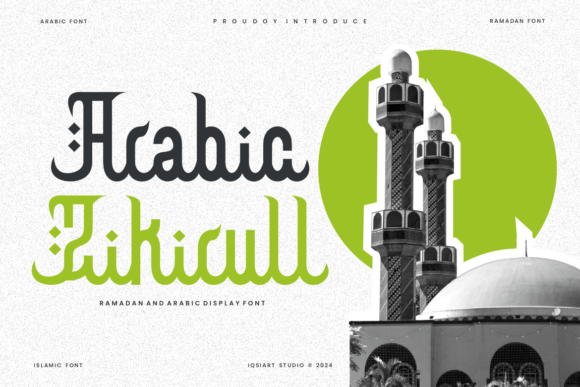
Arabic Zikirull carries a distinct personality. Its letters are rich with character, each stroke imbued with a sense of tradition and artistry. The rhythm of the font is smooth yet deliberate, creating a balance between formality and fluidity. It feels like it was designed to be read slowly, to be savored, which makes it ideal for content that aims to inspire or evoke emotion.
One of the first places I considered using Arabic Zikirull was in the header of my blog. The font’s decorative nature made it stand out without overwhelming the reader. I paired it with a simple sans serif for the subhead, allowing the focus to remain on the message while still maintaining a cohesive design. The result was a header that felt both modern and timeless.
For my recipe ebook, I experimented with using Arabic Zikirull as the title font. The font’s ornate style added a touch of sophistication that complemented the elegant photography and carefully written instructions. It gave the ebook a sense of luxury, making it feel like a premium product rather than just a collection of recipes.
In a wedding guide I was designing, Arabic Zikirull became the go-to choice for pull quotes and chapter openers. Its visual appeal helped highlight key moments in the guide, drawing the reader’s eye and reinforcing the romantic, celebratory tone of the content. The font’s ability to convey warmth and grace made it an excellent fit for this kind of project.
When working on a coaching workbook, I used Arabic Zikirull to create a sense of authority and inspiration. The font’s strong presence made it ideal for section headings and motivational quotes, helping to establish a clear visual hierarchy. It added a layer of depth to the content, making each page feel more intentional and meaningful.
Readability was a concern when I first considered using Arabic Zikirull for longer text. However, I quickly realized that the font works best when used strategically. It excels in short-form applications—such as titles, headers, and decorative accents—where its visual impact can shine without compromising legibility. For body text, I opted for a clean serif font that provided contrast and clarity, ensuring the overall design remained accessible and easy to read.
Arabic Zikirull also proved useful in printable planners and worksheets. Its decorative style added a unique flair to the layouts, making the pages feel more engaging and personalized. Whether used for journaling prompts or daily task lists, the font contributed to a more enjoyable user experience.
When pairing Arabic Zikirull with other fonts, I found that it works well with both serif and sans serif typefaces. A classic serif font like Georgia or Garamond provides a strong counterpoint, offering a sense of stability and readability. A modern sans serif like Open Sans or Lato can add a contemporary edge, balancing the font’s ornate qualities with a clean, minimalist aesthetic.
Before finalizing any project, I always check the font’s available styles, alternates, and ligatures. Arabic Zikirull offers a range of options that allow for greater flexibility in design. It also supports multiple languages, which is essential for content that caters to a diverse audience. The file formats included—such as OTF and TTF—make it easy to integrate into various design workflows.
Commercial licensing is another important consideration, especially when using the font in paid publications or client projects. Arabic Zikirull’s licensing terms are clear and straightforward, making it a reliable choice for designers who want to avoid legal complications.
Ultimately, Arabic Zikirull is more than just a decorative font—it’s a tool for storytelling. Whether used in a blog header, an ebook title, or a wedding guide, it adds a layer of visual richness that enhances the overall reading experience. Its blend of tradition and modernity makes it a versatile asset for any designer looking to elevate their work.
As I continue to explore new ways to use Arabic Zikirull, I’m reminded of how powerful a thoughtful font choice can be. It’s not just about aesthetics—it’s about creating a connection, a mood, and a sense of identity that resonates with the audience.