Army Grunge Font for Web Design
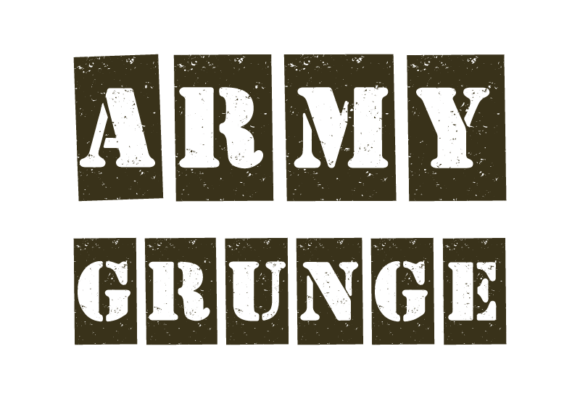
Army Grunge is a decorative display font that brings a rugged, edgy aesthetic to digital design. Its raw, textured lines and grungy texture make it ideal for web projects that need a bold, distinctive visual identity. As a web designer, you'll find that Army Grunge adds character to headers, buttons, and branding elements without sacrificing clarity.
When used in hero sections or landing pages, Army Grunge commands attention while maintaining readability. Its unique style works well for creative portfolios, boutique online stores, and coaching websites looking to stand out. The font's personality aligns with brands that want to project an authentic, unconventional image.
Using Army Grunge in Digital Layouts
For website headers, Army Grunge can serve as a strong focal point. Pair it with a clean sans serif font for body copy to balance contrast and maintain readability. In call-to-action areas, the font adds visual weight and energy, making buttons and links more engaging.
In online shop banners, Army Grunge can be used to highlight promotions or special offers. Its texture gives a tactile feel that resonates with audiences looking for something unique. For blog graphics or course sales pages, the font helps establish a clear visual hierarchy, guiding users through content effectively.
Readability and Visual Hierarchy
While Army Grunge is a decorative font, it remains legible at larger sizes. On mobile screens, it works best for headings and short phrases rather than long paragraphs. When used in responsive layouts, ensure sufficient spacing between letters and lines to avoid crowding.
On dark backgrounds, Army Grunge retains its contrast and impact. For light backgrounds, consider adjusting the font color slightly to enhance visibility. When overlaying text on images, use a semi-transparent background or bold stroke to make the text stand out.
Font Pairing and Brand Identity
Pairing Army Grunge with a simple sans serif font creates a balanced look. This combination works well for modern typography in web design, allowing the decorative font to shine without overwhelming the layout. For editorial designs or brand kits, pairing it with a serif font can add sophistication and depth.
When building a brand identity, Army Grunge can act as a signature element. Use it for logo design, social media graphics, or packaging design to create a cohesive look across platforms. Its versatility makes it suitable for both digital and print applications.
Practical Applications for Web Designers
For a creative portfolio site, Army Grunge can be used in section headings to draw attention to key projects. In a coaching website, it adds a personal touch to testimonials or featured content. For a product landing page, the font enhances the visual appeal of headlines and feature highlights.
In a digital brand kit, Army Grunge can be part of the typographic system. Ensure that all variations are available in webfont formats like WOFF or WOFF2 for seamless integration. Check for multilingual support if your audience spans different regions.
Commercial Licensing and Design Assets
When using Army Grunge for client projects, online stores, or digital templates, verify the commercial license terms. Some fonts require separate licenses for web use or redistribution. Always confirm that the font supports the intended usage to avoid legal issues.
As a web designer, including Army Grunge in your design assets can elevate the look of landing pages, banners, and content sections. Its unique style contributes to a consistent online identity, helping brands communicate their message with authenticity and flair.
Whether you're working on a SaaS platform, a blogger's site, or a creative entrepreneur's online presence, Army Grunge offers a powerful tool for visual storytelling. Its ability to blend personality with functionality makes it a valuable addition to any digital project.
By understanding how to use Army Grunge effectively, you can enhance user engagement, reinforce brand tone, and create visually compelling web experiences. Its role in digital design extends beyond aesthetics, influencing how users interact with and perceive your work.