Champagne Royale Font for Web Design
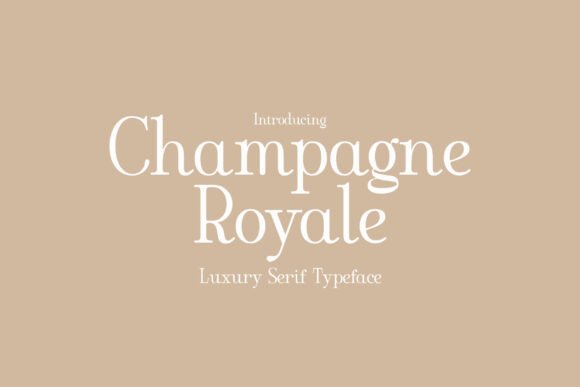
Champagne Royale is a luxurious serif typeface that brings modern elegance and timeless charm to digital design. Its refined structure and graceful curves make it ideal for high-end web projects where visual appeal meets functionality.
As a web designer, you know that typography plays a crucial role in shaping user experience. Champagne Royale excels in creating a strong visual hierarchy, making it perfect for headers, hero sections, and call-to-action elements. Its distinct personality adds a touch of sophistication without overwhelming the layout.
The font's clean lines and balanced spacing ensure readability across different screen sizes. Whether on desktop or mobile, Champagne Royale maintains clarity, making it a reliable choice for both large and small text elements.
Using Champagne Royale in Web Layouts
Champagne Royale shines in website headers and section titles, where its elegant style can set the tone for the entire design. It works well in landing pages, especially when paired with a simple sans serif font for body copy. This combination creates a harmonious balance between decorative and functional typography.
In online stores, Champagne Royale can elevate banners and product headlines, drawing attention while maintaining a professional appearance. For creative portfolios, it adds a refined edge to project titles and client names, reinforcing a brand’s premium identity.
On coaching websites or course sales pages, the font helps create a sense of authority and trust. Its presence in CTA buttons or feature sections can guide users through the content with visual clarity and purpose.
Designing for Readability and Brand Tone
When using Champagne Royale in web design, consider how it contributes to the overall brand tone. Its classic serifs convey professionalism and refinement, making it suitable for luxury brands, editorial sites, and creative agencies.
For optimal readability, avoid using it in long paragraphs. Instead, use it as a display font for short phrases, logos, or decorative accents. This approach ensures that the font enhances rather than hinders user experience.
On mobile screens, test Champagne Royale at smaller sizes to ensure legibility. Pair it with a light background for maximum contrast, and avoid placing it over busy images or dark overlays that could reduce visibility.
Font Pairing and Digital Identity
Pairing Champagne Royale with a clean sans serif font like Open Sans or Lato can create a balanced and modern look. This combination is ideal for websites that require both visual flair and easy reading.
If you're designing an editorial-style site, pairing it with another serif font can reinforce a traditional or literary feel. For more contemporary designs, a script or handwritten font might complement it as a secondary element.
Ensure that your design assets include all necessary styles and weights. Check for webfont availability, including WOFF and WOFF2 formats, to guarantee smooth performance across browsers and devices.
Commercial Licensing and Practical Use
When using Champagne Royale in commercial projects, verify the licensing terms. Most fonts allow use on websites, client projects, and online stores, but always confirm the specific rights provided by the vendor.
For digital templates or brand assets, ensure that the font license covers all intended uses. This includes social media graphics, email newsletters, and other digital touchpoints that contribute to a cohesive brand identity.
Champagne Royale is particularly effective in logo design, where its unique character can help differentiate a brand. It also works well in packaging design and print materials that transition to digital platforms.
Whether you're building a boutique online store, a creative portfolio, or a SaaS landing page, Champagne Royale offers a versatile and stylish solution. Its ability to enhance visual storytelling makes it a valuable addition to any designer’s toolkit.
By integrating Champagne Royale into your web design process, you can create a more engaging and memorable user experience. Its blend of tradition and modernity ensures that it remains relevant across various digital applications and brand identities.