Flying Angel: A Script for Real Projects
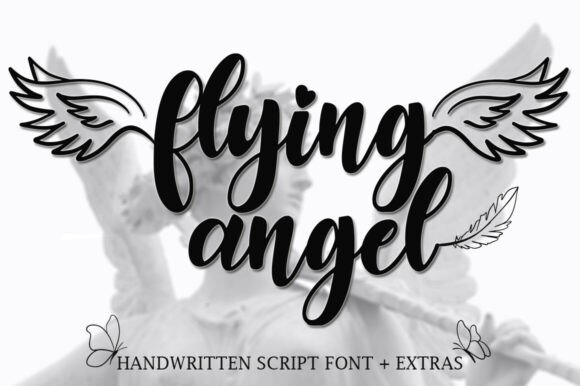
Flying Angel is a script handwritten font that carries a delicate, personal touch. Its fluid strokes and expressive curves make it feel like a handwritten note from a friend, but with the refinement of a premium font. The first impression is one of warmth and authenticity, ideal for projects that aim to feel human and approachable.
The Mood and Personality of Flying Angel
Flying Angel has a soft, romantic vibe that leans into elegance and grace. The letters flow naturally, as if written by hand, which gives it an intimate quality. It feels like it belongs in creative spaces—whether for branding, editorial design, or digital products that require a personal touch.
Its visual personality is light and airy, making it perfect for designs that want to evoke emotion without being overwhelming. It’s not overly ornate, but it still carries a sense of sophistication that works well in both modern and traditional contexts.
Real-World Use Cases for Flying Angel
In logo design, Flying Angel can be used effectively for brands that want to convey a sense of creativity, artistry, or individuality. It works best when paired with clean, minimal elements to avoid clutter. For brand identity, it adds a unique flair that helps differentiate a business from competitors.
Packaging design benefits from its expressive nature, especially for niche products like handmade goods, artisanal items, or luxury brands looking to add a personal touch. On product labels, it can be used as a secondary text element to highlight key details without overpowering the main message.
Flyers, posters, and invitations are natural fits for Flying Angel. Its readability at smaller sizes makes it suitable for short phrases, while its character-rich design adds visual interest. It also works well in social media graphics where a custom look is needed without sacrificing clarity.
Merchandise like t-shirts, mugs, and stickers can use Flying Angel to create a cohesive, branded aesthetic. In website headers and blog graphics, it brings a creative energy that stands out without being distracting.
Where to Use Flying Angel Carefully
While Flying Angel is beautiful, it’s not suited for every application. Large headlines may become too busy, especially if used in all caps. Short phrases work best, as long passages can reduce readability and strain the eye.
Brand marks and quotes benefit from more structured fonts, so Flying Angel should be used sparingly in these cases. Premium packaging often requires a more polished look, and while Flying Angel can add character, it may not convey the same level of professionalism as a serif or sans serif font.
Social posts and supporting text should avoid heavy use of Flying Angel. It’s better suited as a decorative accent rather than the primary typeface. When used in conjunction with other fonts, it needs careful pairing to maintain balance and hierarchy.
Readability and Design Impact
At small sizes, Flying Angel remains legible, though it’s best used for short, impactful text. Its spacing is consistent, which helps maintain visual harmony across different design applications. However, it’s important to test it on real mockups to see how it performs in context.
In terms of brand consistency, Flying Angel can help reinforce a brand’s identity when used thoughtfully. Its uniqueness can boost recognition, but overuse may dilute its impact. It’s essential to establish clear guidelines for its usage to ensure it aligns with the overall brand strategy.
Audience trust is influenced by typography, and Flying Angel can contribute to a professional yet personable image. It’s particularly effective for brands targeting creative, artistic, or lifestyle audiences who value authenticity and style.
Practical Designer Notes
Before finalizing any project, test Flying Angel in black and white to see how it holds up without color. Check its readability at various sizes to ensure it works across different formats. Try it on real mockups to gauge how it interacts with other design elements.
Compare uppercase and lowercase versions to understand how they affect the overall look. Review spacing to ensure it doesn’t clash with other fonts. Pair it with serif, sans serif, script, or display fonts to find the best combinations for your project.
Always confirm commercial licensing before using Flying Angel in client or business projects. This ensures you’re compliant and avoids potential legal issues down the line.
Final Thoughts on Flying Angel
Flying Angel is a versatile script handwritten font that excels in creative and expressive design scenarios. It brings a human element to typography that many other fonts lack, making it a valuable addition to any designer’s toolkit.
It’s not a one-size-fits-all solution, but when used appropriately, it can elevate a design with its charm and personality. Whether for logo design, editorial layout, or digital assets, Flying Angel offers a fresh and engaging alternative to more conventional typefaces.
For designers seeking a font that feels authentic and expressive, Flying Angel is worth considering. Just remember to use it with intention and care to maximize its impact in your projects.